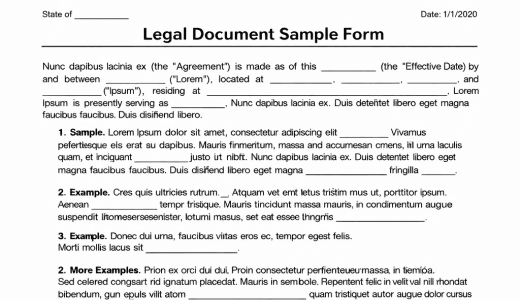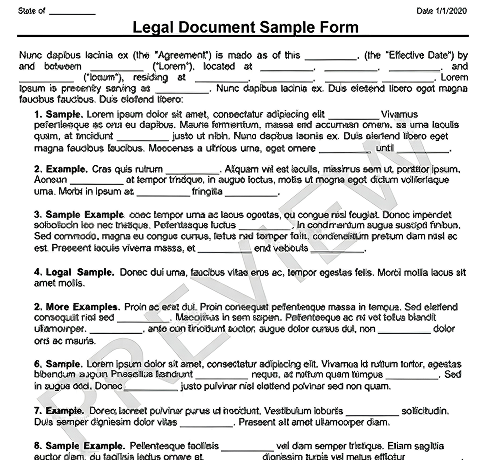


Many legal documents require notarization, including the will, trust, power of attorney, or advanced directive. If that is the case, the form will also bear the signature of the notary public.Any such templates would have an allocated space for a notary public's signature and stamp. If the area is too small for a notary public's seal or signature, said notary public could resort to the use of a Notarial Certificate.
What Is a Notarial Certificate?
The Notarial Certificate is a confirmation that a document has been properly signed and notarized, including a testament to the signer or signers' identity. In accompaniment is the notary public's certification of the document's content to be what it appears to be, such as not aimed to deceive.
There are several types of Notarial Certificates to fit the occasions, of which the two most common are Acknowledgement and Jurat.
An Acknowledgement Notarial Certificate serves to confirm the identity of the signer or signers. In contrast, a Jurat Notarial Certificate also includes a declaration that the document is accurate to the signatory's best knowledge. It bears the weight of an affidavit, for which intentional prevarication can lead to a charge of perjury.
Other Names for Notarial Certificate
Depending on your state, a Notarial Certificate may also be known as:
- Certification of Signature
- Notary Certificate
- Jurat Certificate
- Acknowledgment Certificate
Who Needs a Notarial Certificate?
A licensed notary public would need to use Notarial Certificates. It may also come to pass that a person would need to prepare their Notarial Certificate for use by a notary public on hire.
Why Use 360 Legal Forms for Your Notarial Certificate?
Customized for you, by you
Create your own documents by answering our easy-to-understand questionnaires to get exactly what you need out of your Notarial Certificate.
Specific to Your Jurisdiction
Laws vary by location. Each document on 360 Legal Forms is customized for your state.
Fast and easy
All you have to do is fill out a simple questionnaire, print, and sign. No printer? No worries. You and other parties can even sign online.
How to Create a Notarial Certificate with 360 Legal Forms
Any notary public would have a Notarial Certificate ready to go. If you are new to the trade or have to prepare your own Notarial Certificate before you go to a notary public, you can rely on 360 Legal Forms.
Let 360 Legal Forms help with our extensive library of attorney-vetted legal forms. The process is fast and easy. All you have to do is fill out our easy-to-understand questionnaire. Once complete, simply download your form as a PDF or Word document from your secure online account.
What Information Will I Need to Create My Notarial Certificate?
To create your document, please provide:
- Name of the Signer: The legal name of the person signing the document
- Venue: The state and county where the notarization is to take place
- Date: The date the notary certificate is to be executed
- Body: All relevant information regarding the notarial act
- Notary Public's Signature: A space reserved for the particular notary public's signature
- Notary Public Seal: Similar to the above except for the notary public's seal
Notarial Certificate Terms
- Notary Seal: An ink stamp further officiating a notary public's signature.
- Affidavit: A sworn statement under oath that can be used as evidence.
- Venue: In the context of a Notarial Certificate, this is the venue, including the state and county, where the notarization occurs.
- Veracity: A testament to the truth.
- Perjury: The criminal charge for supplying false information under oath.
- Affirmation: A formal declaration of the honesty (see above) of a statement or document.
Notarial Certificate Signing Requirements
As mentioned, the Notarial Certificate is to be used by a notary public only when in the act of notarization, according to a notary public's best judgment about the signer(s) and the document of concern.
What to Do with Your Notarial Certificate?
After you have generated your Notarial Certificate on 360 Legal Forms, you can download it. Save it to your hard drive and print out as many copies as needed for the use of a notary public, who for every Notarial Certificate issued is to make an entry in their notary journal, which may also record the identity of the signer(s) and the date and fee collected.