

Given the unpredictable nature of life, you never know when a power of attorney might be needed. Some powers of attorney are typically executed in advance, but others like the Limited Power of Attorney, more often, are executed when the situation calls for it.
In recent years, the Limited Power of Attorney or LPOA has become a common practice in situations involving money management, but there are other uses as well.
What Is a Limited Power of Attorney?
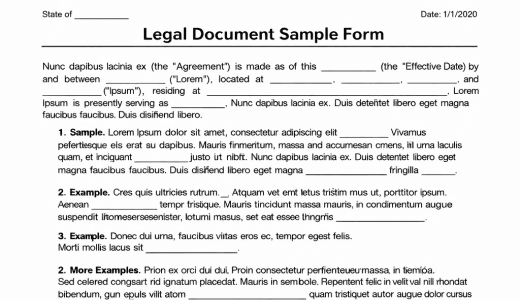
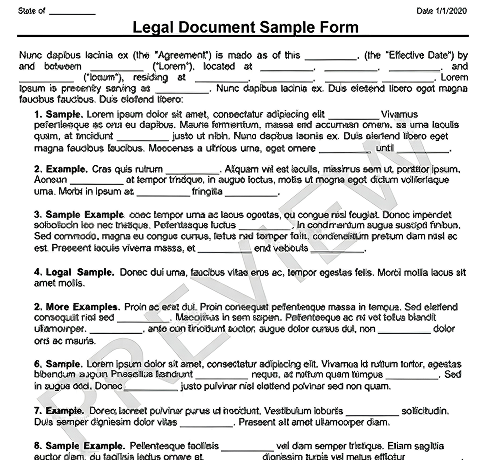
A Limited Power of Attorney is used to grant authorization to an agent to act on your behalf.
As opposed to a General Power of Attorney, affording an agent full authority to act on your behalf, you can use a Limited Power of Attorney to give your agent a more limited scope of authority.
On the form, you can select which power to grant to the agent. Most often, this is limited to the ability to cash checks and other rudimentary banking transactions.
You can set a Limited Power of Attorney to expire after a task is completed or within a short period. You can also create several LPOAs for distribution to equally as many agents.
Other Names for Limited Power of Attorney
Depending on your state, a Limited Power of Attorney may also be known as:
- Special Power of Attorney
- Proxy
Who Needs a Limited Power of Attorney?
Anyone who needs another person to perform an act they can't conduct themselves would use a power of attorney to do so. As such, a Limited Power of Attorney can have many benefits and be quite useful.
If you're on an overseas trip or otherwise indisposed, you can authorize someone to close a property sale or do something else for you. However, you can also set the POA to expire in a specific amount of time. Similarly, you can authorize an agent to act as your portfolio manager and make investment decisions on your behalf.
In most cases, a Limited Power of Attorney is assigned to a business associate, attorney, or spouse granting them the power to sign a legal document on your behalf.
Why Use 360 Legal Forms for Your Limited Power of Attorney?
Customized for you, by you
Create your own documents by answering our easy-to-understand questionnaires to get exactly what you need from your Limited Power of Attorney.
Right for your state
Each document on 360 Legal Forms is customized for your state.
Fast and easy
All you have to do is fill out a simple questionnaire, print, and sign. No printer? No worries. You and other parties can even sign online.
How to Create a Limited Power of Attorney with 360 Legal Forms?
Creating a Limited Power of Attorney nowadays is routine and straightforward. You can use our proprietary form generator only requiring you to input basic details to generate a legally sound Limited Power of Attorney.
Let 360 Legal Forms help with our extensive library of attorney-vetted legal forms. The process is fast and easy. All you have to do is fill out our easy-to-understand questionnaire. Once complete, simply download your form as a PDF or Word document from your secure online account.
What Information Will I Need to Create My Limited Power of Attorney?
To create your document, please provide:
- Your Personal Information: Your name, address, social security number, and EIN if this is for a business
- Agent's Personal Information: Name, address, and other pertinent information
- Expiration Date: List the date when the authorization ends
- Explanation of powers: Detailed description about what the agent is authorized to perform on your behalf
- State: Which state's laws should govern the document
Limited Power of Attorney Terms
- Agent: An individual at the receiving end of the Limited Power of Attorney, also known in common law as your attorney in fact.
- Principal: The person who is granting the power of attorney to an agent.
- Fiduciary: Someone who has to act in the best interests of another person or entity.
- Portfolio Manager: A person who manages an investment portfolio.
- Durable Power of Attorney: A POA that continues after incapacity but ends at death.
- Non-durable Power of Attorney: A POA that expires upon the principal's incapacity or death.
- Medical Power of Attorney: Also known as an Advance Directive, it gives the agent the power to make medical decisions for the principal.
- Springing Power of Attorney: Also known as a Conditional Power of Attorney, this becomes valid only when certain events come to fruition, like if a serviceperson is called to active duty.
Limited Power of Attorney Signing Requirements
In most states, a Limited Power of Attorney only has to be signed by the principal creator instead of the agent(s). In some cases, an oral agreement may be enough. A Limited Power of Attorney should be signed in front of a witness or a notary public and then notarized.
What to Do with Your Limited Power of Attorney?
After a Limited Power of Attorney is signed and notarized, you have to send a notarized copy to all agents. It doesn't have to be filed with a court or the registrar, though some states may require specific POAs to be filed with a court.