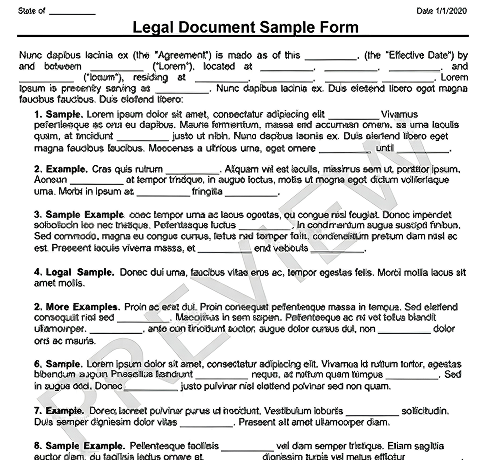


A Deed of Trust's purpose is to ensure that the borrower will repay a debt associated with a property. According to this deed, while the repayment is ongoing, the lender will continue to hold the property. What Is a Deed of Trust?Three parties are involved in a Deed of Trust:
- The lender, who remains fully responsible for the property.
- The borrower, who is mandated to repay the loan or debt.
- The trustee, who ensures neutrality and is the legal titleholder.
The trustee must remain an impartial party since the trustee will need to compensate for the buyer eventually defaulting by selling the property.
Other Names for Deed of Trust
Unlike many other documents and agreements, a Deed of Trust will always be referred to by that name and have no alternative titles.
Who Needs a Deed of Trust?
A Deed of Trust is essential for lenders conducting property transactions. This deed provides additional security when settling debts and ensures that the lender gets their funds back if they fail to repay the loan.
Why Use 360 Legal Forms for Your Deed of Trust?
Customized for you, by you
Create your own documents by answering our easy-to-understand questionnaires to get exactly what you need out of your Deed of Trust.
Specific to your jurisdiction
Laws vary by location. Each document on 360 Legal Forms is customized for your state.
Fast and easy
All you need to do is fill out a simple questionnaire, print it, and sign. No printer? No worries. You and other parties can even sign online.
How to Create a Deed of Trust With 360 Legal Forms
Creating a Deed of Trust will require the three parties – the lender, borrower, and trustee – to agree to the terms of the deed and provide all the relevant information. Once all parties read and understand the terms, they'll need to sign the document to validate it.
Let 360 Legal Forms help with our extensive library of attorney-vetted legal forms. The process is fast and easy. All you need to do is fill out our easy-to-understand questionnaire. Once complete, simply download your form as a PDF or Word document from your secure online account.
What Information Will I Need to Create My Deed of Trust?
To create your document, please provide:
- Trustor Information: Details about the party repaying the debt.
- Beneficiary Information: Details of the lender.
- Trustee Information: Details on the neutral third party holding the property title.
- Details on the Loan: The amount initially loaned to the trustor.
- Property Description: Details on the property which the trustee will have.
- Actions in Case of Default: What will happen should the trustor default.
- Signatures: All parties need to sign the agreement.
Deed of Trust Terms
- Premises: The real estate property which the trustee has the right to sell.
- Event of Default: Trustor's failure to repay the loan or debt.
- Advancements: The beneficiary has the right to add advances to the principal if the trustor doesn't fulfill their obligations as defined by the deed.
- Severability: If the Deed of Trust happens to contain any invalid portions, those won't affect the rest of the document's validity.
Deed of Trust Signing Requirements
A Deed of Trust transfers the property title to a trustee and imposes certain obligations to all parties involved. As a binding document, this deed requires all parties to read and confirm the deed terms before signing the document to validate it.
What to Do With Your Deed of Trust?
All parties should ensure they've read and understood all clauses of the Deed of Trust before signing the document.
The beneficiary (also called Lender, Borrower, or Grantor) must provide their signature and the date of signing on the document in the presence of a notary. Upon signing, the parties involved should each keep a copy of the deed. The trustor will also give the beneficiary a promissory note, which the trustor must sign.
A county clerk will need to make a record of the deed.